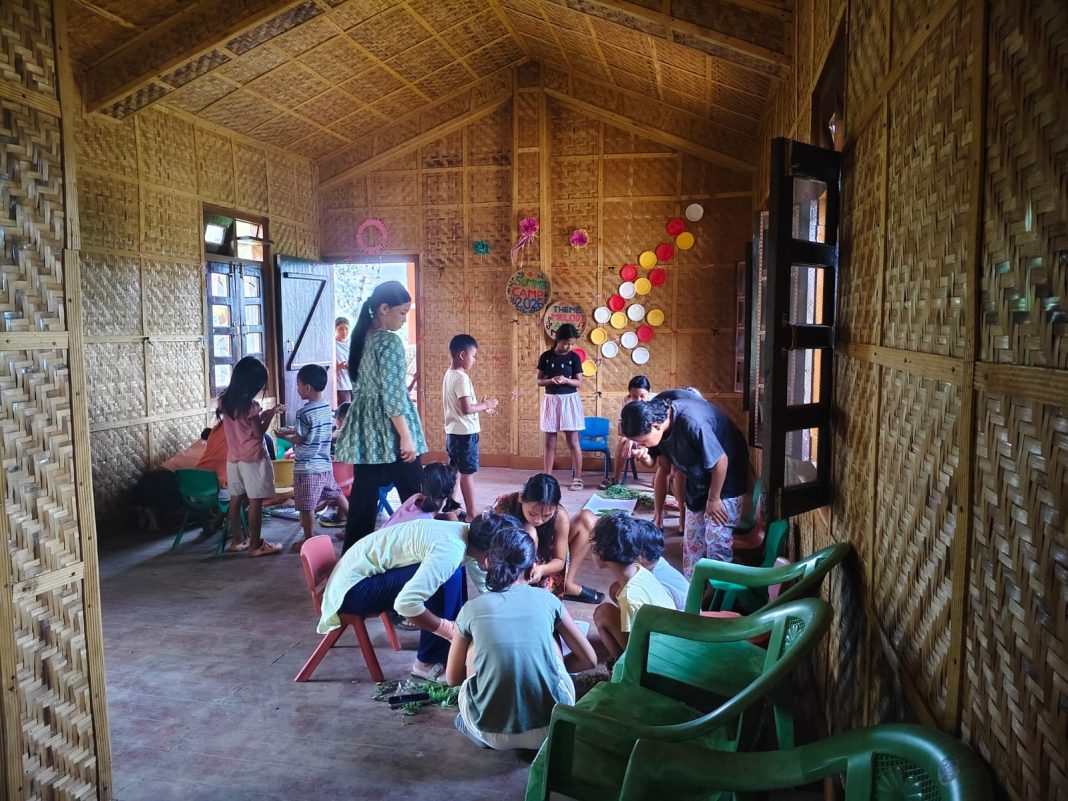

Tura, July 19: Dozens of children in West Garo Hills gave a shot at creativity and fun-learning, instead of just enjoying their summer vacation by being at home or travelling.
They tried their hands at making solar system models from recycled materials, creating artwork with leaves and flowers, playing team games and learning through fun-filled activities.
It was an excellent opportunity for children to explore their creativity, build confidence and interact with nature during the two community-based summer camps at Matchikol LP School and Mere Mentor Centre at Gambagre.
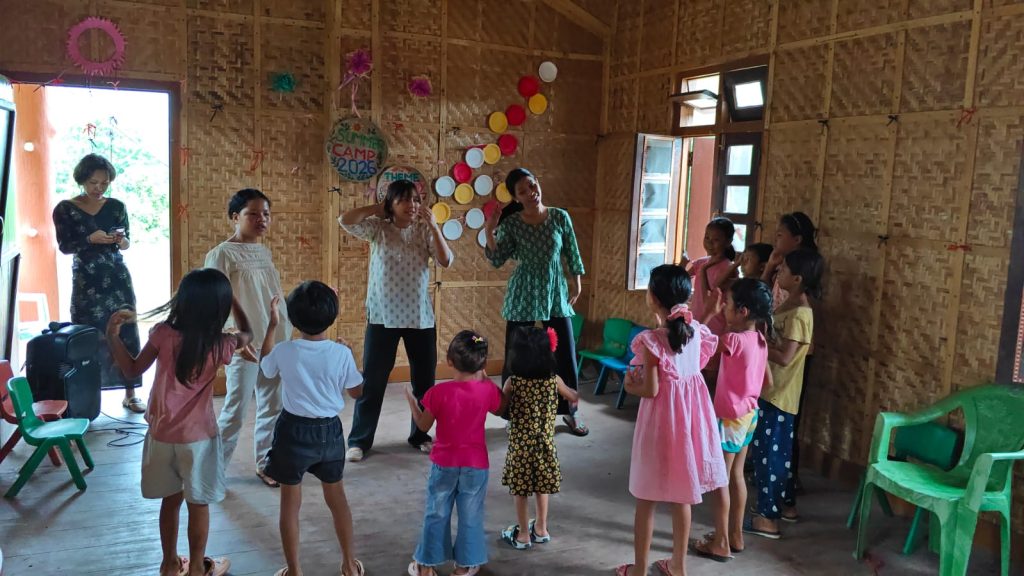
At Matchikol LP School, 48 children, along with five teachers and parents, took part in a two-day camp that began with prayers and warm-up dances, after which participants were divided into groups for a range of activities.
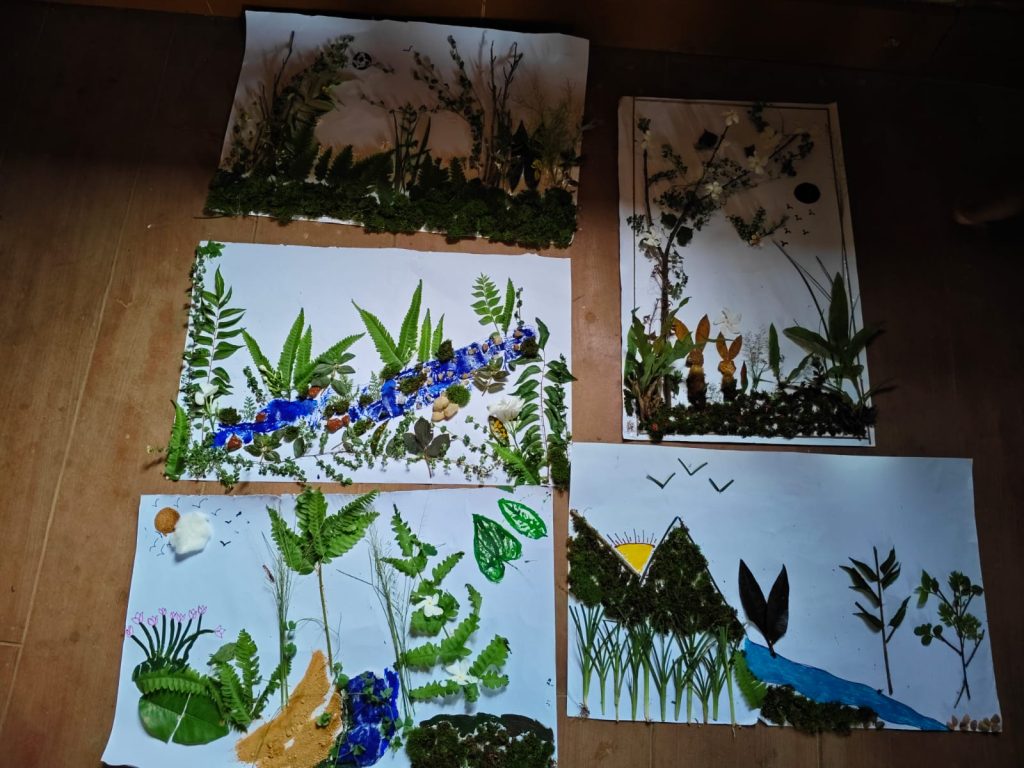
The children made nature-inspired artwork using leaves and flowers, built models of the solar system from recycled materials, crafted colourful caterpillars and took part in games such as bottle rattles and musical chairs.
Despite the hot and humid weather, the children participated enthusiastically throughout the programme.
Parents appreciated the initiative, saying it gave children a productive way to spend their holidays while helping them develop creativity, confidence and social skills.
A similar camp was organised at Mere Mentor Centre in Gambagre, where children, parents and teachers participated together in a series of interactive sessions.
Children collected fresh leaves from the surroundings and used them to create landscape artwork before taking part in the “Magic Carpet” game and a hands-on activity on the solar system.
The camp concluded with dance sessions that kept the children engaged until the final day.
Teacher Bisilchi Tania Ch Marak said the objective was to make learning enjoyable outside the classroom.
“Children learn best when they are happy, curious and actively involved. We wanted to create an environment where they could learn through simple activities that encourage creativity, teamwork and confidence. Their enthusiasm throughout the camp was encouraging, and we hope they carry that curiosity back to school,” she said.
Organisers said the active involvement of parents and teachers made the camps more meaningful. Rather than simply supervising the activities, teachers joined children in games, dances and craft sessions, while parents encouraged them throughout the programme.
The camps also highlighted an alternative way for children to spend their holidays at a time when many are increasingly dependent on mobile phones and digital entertainment.
Through art, games and outdoor activities, the children learned to work together, solve problems and appreciate their surroundings.
Encouraged by the response, organisers said they hope similar community-based camps can be held in the future so that more children can benefit from activity-based learning during school vacations.