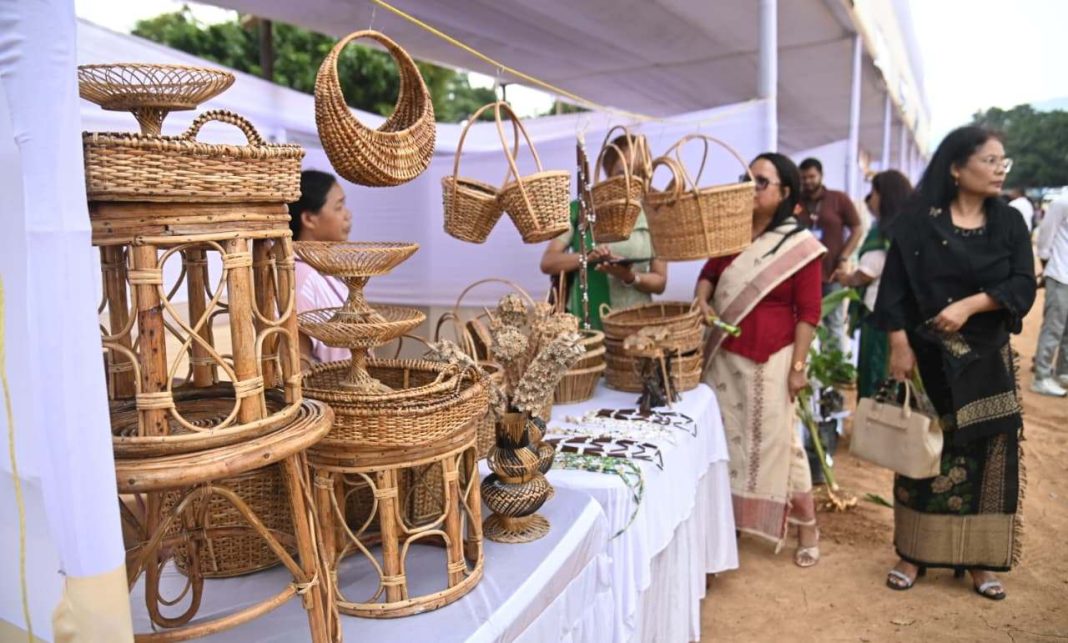

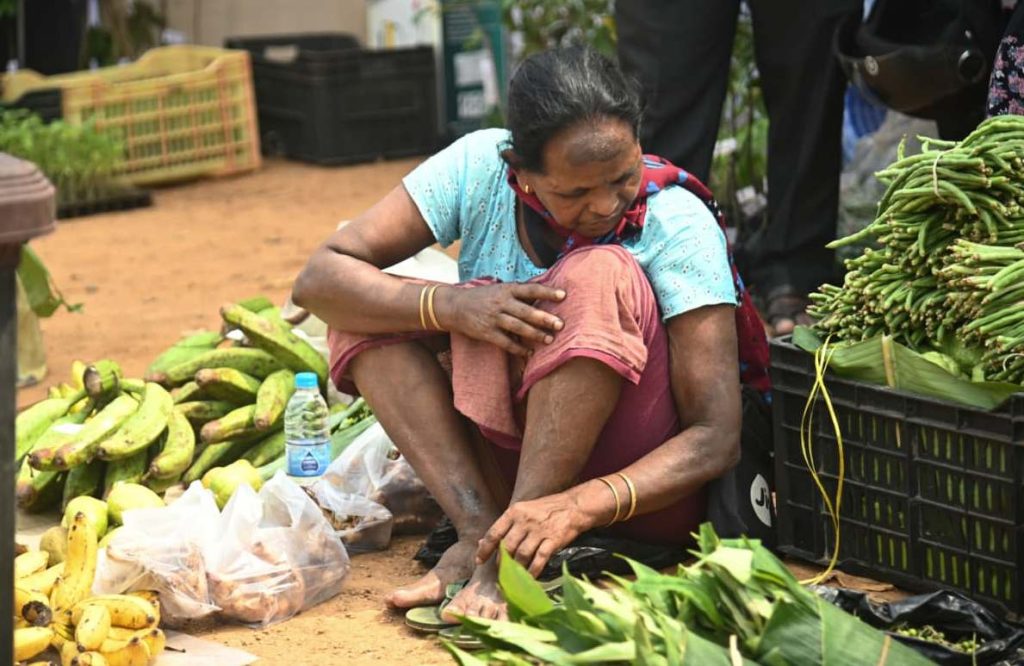
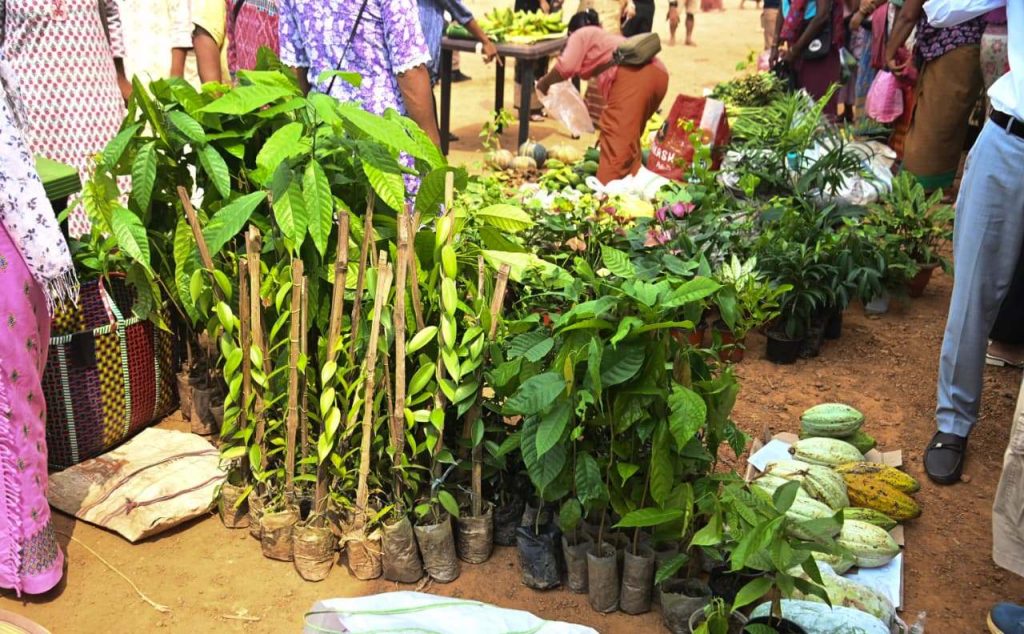
Tura, Oct 5: A bumper selection of organic vegetables, bio-fertilisers, modern farm equipment and high-value crops such as cocoa and vanilla at the Kisan Mela 2026 in Tura on Monday was not just a showcase of farm produce, but also a reminder of how sustainable agriculture could shape the future of farming in the Garo Hills.
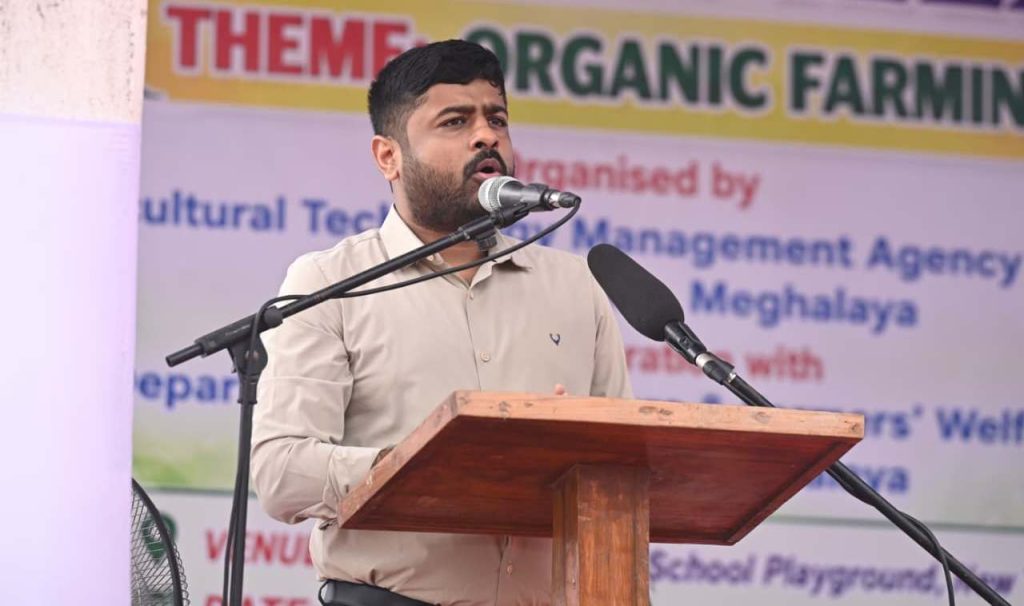
The mela was held at the Matchakolgre L.P. School Playground in New Tura under the theme “Organic Farming” and was organised by the Agricultural Technology Management Agency (ATMA), West Garo Hills, in association with the Department of Agriculture and Farmers’ Welfare, Meghalaya.
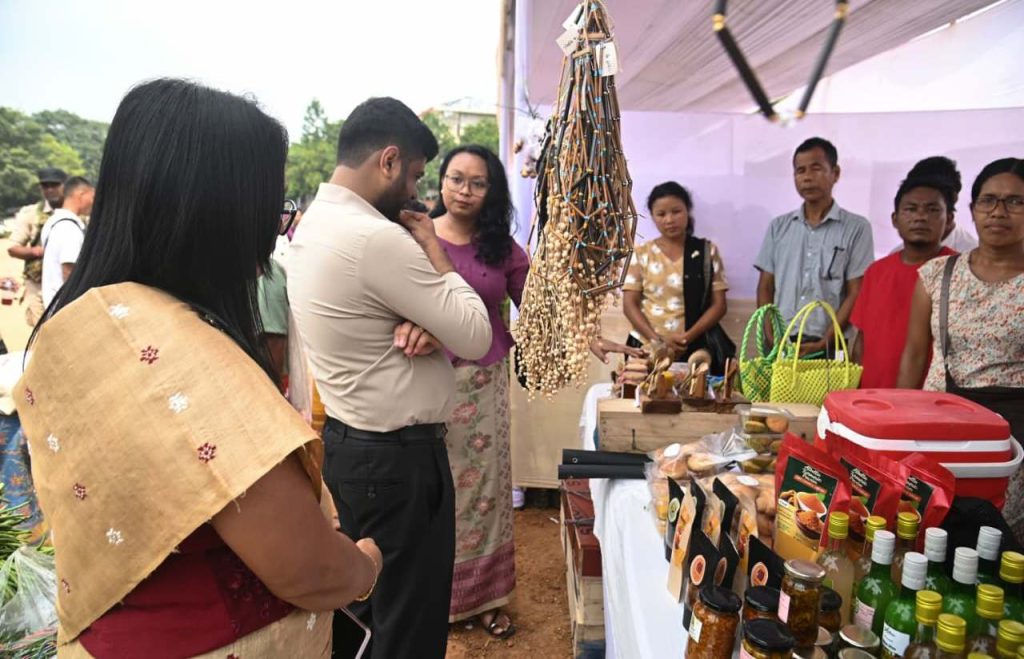
Local farmers, agricultural professionals and officials came together for the event, where departmental and institutional stalls displayed regional produce, bio-fertilisers, sustainable farming practices and modern agricultural equipment.
Farmers got a first-hand look at new technologies and cultivation methods at stalls set up by the Agriculture, Horticulture, Fisheries, ATMA, Sericulture, NESFAS, ICAR and the College of Community Sciences.
The Deputy Commissioner of West Garo Hills, Vibhor Aggarwal, who was the chief guest, stressed the need for greater coordination between government departments and research organisations to make agricultural development more effective.
Citing the work being done by the Public Health Engineering and Soil and Water Conservation departments to safeguard watershed catchment areas, Aggarwal said similar coordination was needed to advance agriculture.
He called upon institutions such as the Indian Council of Agricultural Research (ICAR) and the College of Community Sciences to work closely with the Agriculture Department so farmers could access quality organic inputs. He also stressed coordination with water-resource departments to improve irrigation for farmers growing improved seed varieties.
In line with the Chief Minister’s directive, Aggarwal said farmers doing exemplary work should receive greater public recognition, rather than government and political dignitaries remaining the focus of such events.
A dedicated Farmer-Scientist Interaction session was also held, allowing farmers to raise field-level problems directly with agricultural scientists and learn practical solutions that could be replicated in their villages.
The department’s main objective was to encourage farmers to gradually shift from chemical fertilisers and pesticides to organic and natural farming, said District Agriculture Officer Paulette A. Sangma.
“The main focus is on organic farming because we need to raise the alarm and motivate our farmers not to use pesticides or chemical fertilisers, which have long-term consequences for the next generation,” Sangma told reporters on the sidelines of the programme.
Natural farming, she said, was also a more affordable option for farmers in the region. According to the department’s current targets, natural cultivation was taken up across 750 hectares in 2025-26, with another 250 hectares proposed to be covered in 2026-27.
The department is also preparing to revive the Cocoa Development Scheme, which was launched around five years ago, following discussions with the Deputy Commissioner. Cocoa and vanilla were among the high-value crops showcased at ATMA stalls as possible avenues for crop diversification.
“Our traditional farming practices in the Garo Hills already have some organic elements, even as traditional jhum or shifting cultivation is gradually being replaced by modern farm technology and machinery,” Sangma said.
She said organic and natural cultivation continued to flourish in places such as Dadenggre, Rongram, Gambegre and Dalu, while the plain belt, including Selsella, faced greater challenges because of the easy availability of commercial chemical inputs.
Farmers attending the mela were encouraged to see it less as an exhibition and more as an opportunity to learn, experiment with new ideas and take useful practices back to their villages.
The department also assured farmers of continued technical support and handholding beyond the event, with the broader aim of moving the Garo Hills towards more diversified, sustainable and climate-smart agriculture.