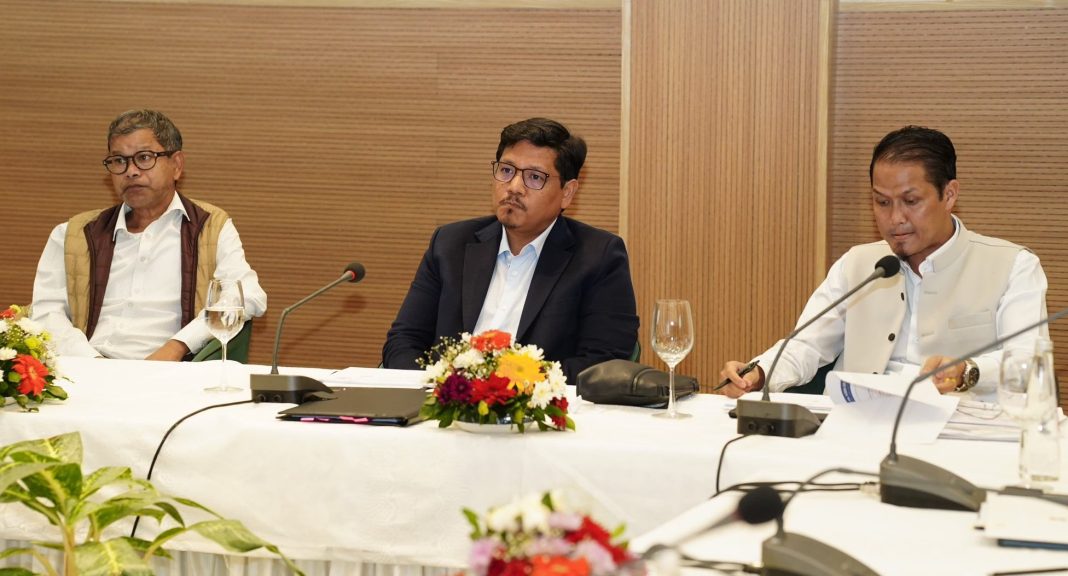

Shillong, Sept 16: Meghalaya’s HIV prevalence stands at 0.40 per cent, twice the national average of 0.20 per cent, Chief Minister Conrad K Sangma said on Tuesday, calling for a coordinated, whole-of-society response to tackle the state’s HIV/AIDS burden.
Chairing the first meeting of the Meghalaya State Council on AIDS at the Secretariat, Sangma said an estimated 9,244 people are living with HIV in Meghalaya, of whom 7,746 are currently on antiretroviral therapy (ART).
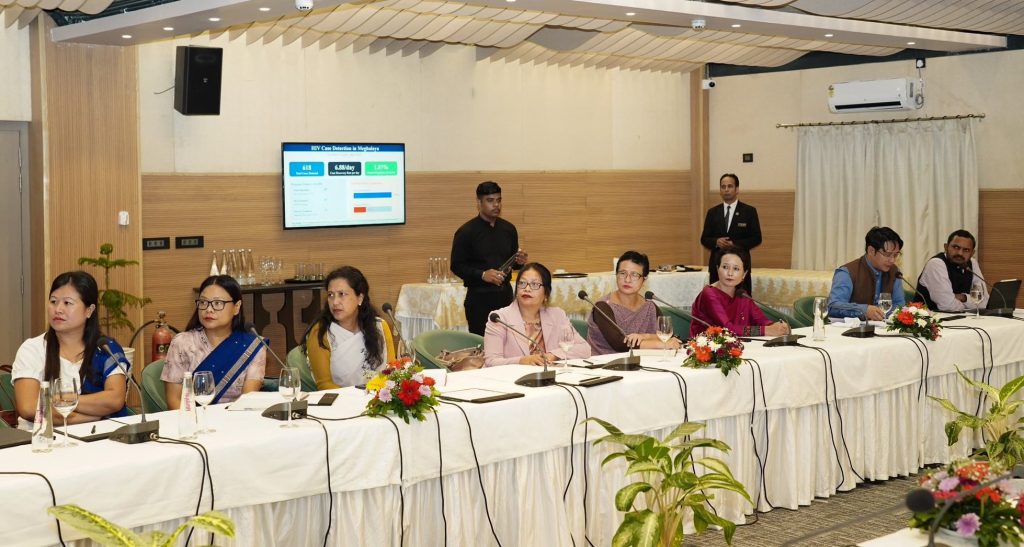
The state detected 618 new HIV cases between April and June 2026, including 60 pregnant women, underscoring the need for intensified testing, prevention and treatment interventions.
According to the Chief Minister, new HIV infections in Meghalaya have increased by 58.74 per cent since 2010, with nearly seven cases being detected every day. At the same time, AIDS-related deaths have declined by 61.18 per cent since 2010.
Sangma said the government’s major concern was not only diagnosis, but also ensuring that people who test positive are linked to treatment and continue with it.
The government plans to strengthen patient retention and address barriers such as financial constraints and stigma.
The state’s HIV response will focus on five key areas — early detection, improved treatment and retention, prevention of new infections, protection of mothers and children, and reducing stigma associated with HIV/AIDS.
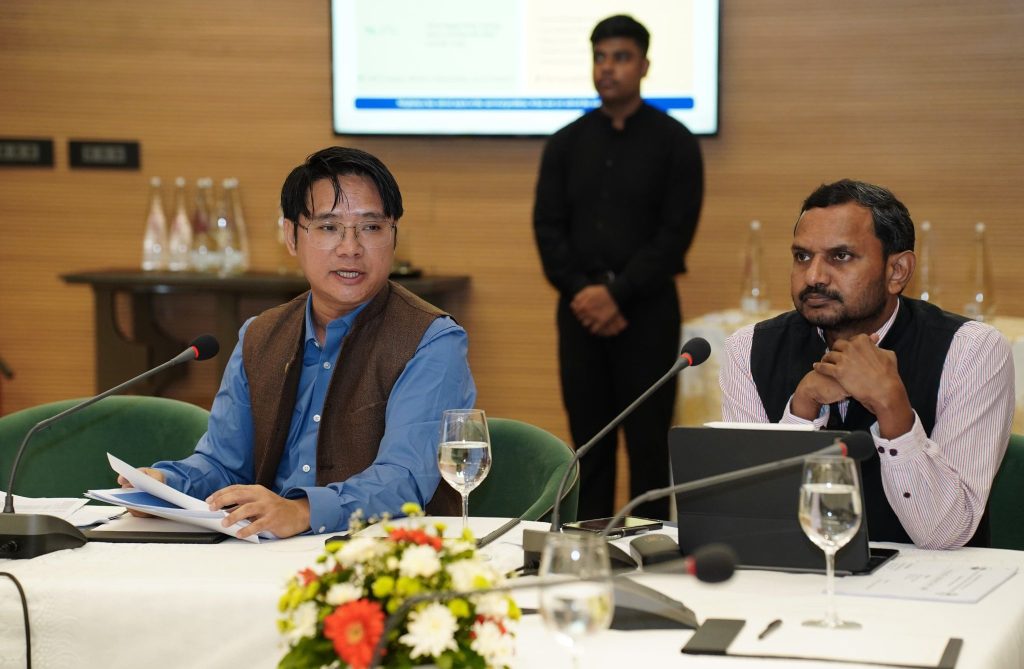
The meeting discussed expanding HIV self-testing and index partner testing, deploying mobile Integrated Counselling and Testing Centres (ICTCs), establishing additional ART centres, facilitating home delivery of medicines and tracking patients who miss appointments.
The government also plans to strengthen awareness campaigns involving young people, communities, educational institutions and people living with HIV.
Sangma called for stronger coordination among government departments, healthcare institutions, communities, civil society organisations and other stakeholders to strengthen Meghalaya’s response to HIV/AIDS.
The Meghalaya AIDS Control Society also emphasised that tackling HIV/AIDS requires collective action beyond the health sector, with the involvement of educational institutions, local communities, civil society organisations, healthcare workers, parents, teachers and young people.