
ROOPAK GOSWAMI
Shillong, March 19: Meghalaya’s forests and caves are hiding far more reptile life than previously known—but the latest scientific update comes with a warning.
An updated checklist has recorded 105 reptile species in the state, ranging from snakes and lizards to turtles and tortoises, underlining Meghalaya’s status as a biodiversity-rich landscape within the Indo-Burma hotspot.
The study, put together by researchers including Bikramjit Sinha, Jayaditya Purkayastha, Bipin Meetei Asem and Madhurima Das, brings together years of scattered records, field observations and taxonomic revisions into one consolidated picture.
What stands out immediately is the dominance of snakes—64 species—followed by 29 lizards and 12 turtle and tortoise species.
But behind the numbers, there’s a more urgent story.
Nearly all of Meghalaya’s turtle and tortoise species are under threat. The study points out that 10 out of 12 species fall in threatened categories, making them the most vulnerable reptile group in the state.
This includes critically endangered species and several others facing habitat pressure from river systems and wetlands.
The checklist also reflects how quickly things are changing on the ground. In recent years, scientists have added new gecko species, recorded rare snakes, and expanded known ranges of several reptiles across the Khasi, Jaintia and Garo hills.
At the same time, many species are still listed as “Data Deficient” or “Not Evaluated”—a sign that large parts of Meghalaya’s landscape remain underexplored.
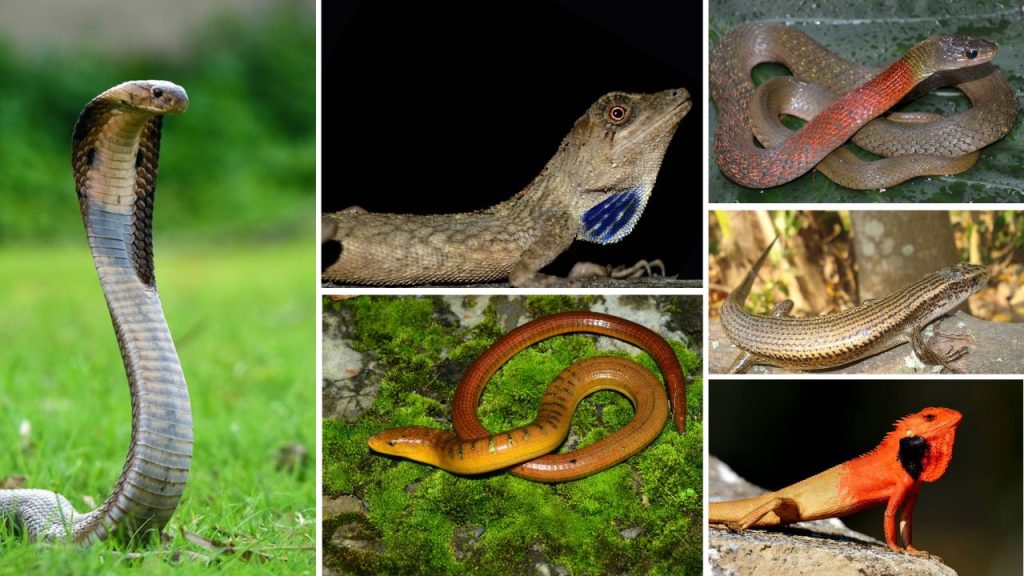
The state’s terrain—steep hills, heavy rainfall, dense forests and vast limestone cave systems—creates a patchwork of habitats that reptiles thrive in. From streamside snakes to cave-dwelling geckos, species here are often highly localised.
That also makes them vulnerable.
Researchers say more field surveys, especially in under-sampled areas like the southern Khasi Jaintia hills, interior Garo forests, and limestone
cave systems, are urgently needed. “Most importantly, studies targeting microhabitats—small streams, rock outcrops, caves, canopy patches, and even religio-cultural water bodies—are essential to uncover micro-endemic species that likely remain hidden”.
“This integrative approach will ensure that the reptile fauna of Meghalaya is better understood and conserved, providing a robust baseline for future taxonomic, ecological, and conservation efforts”.