
Shillong, Aug 17: Only 81 of 207 associations listed on the Centre’s FCRA dashboard have been shown as active while 126 are classified as either cancelled or deemed ceased, multiplying the state’s concern over the proposed amendment to the Foreign Contribution Regulation Act (FCRA).
Thus the active associations account for only 39% of those listed while the remaining 61% fall under the cancelled or deemed-ceased categories.
The facts were revealed as Meghalaya stepped up its opposition to provisions of the proposed FCR Amendment Bill, 2026, with the state government seeking safeguards for institutions involved in education, healthcare, charity and social welfare.
The government has raised particular concerns over provisions dealing with the assets of organisations whose FCRA registrations are cancelled, surrendered, expire or are not renewed.
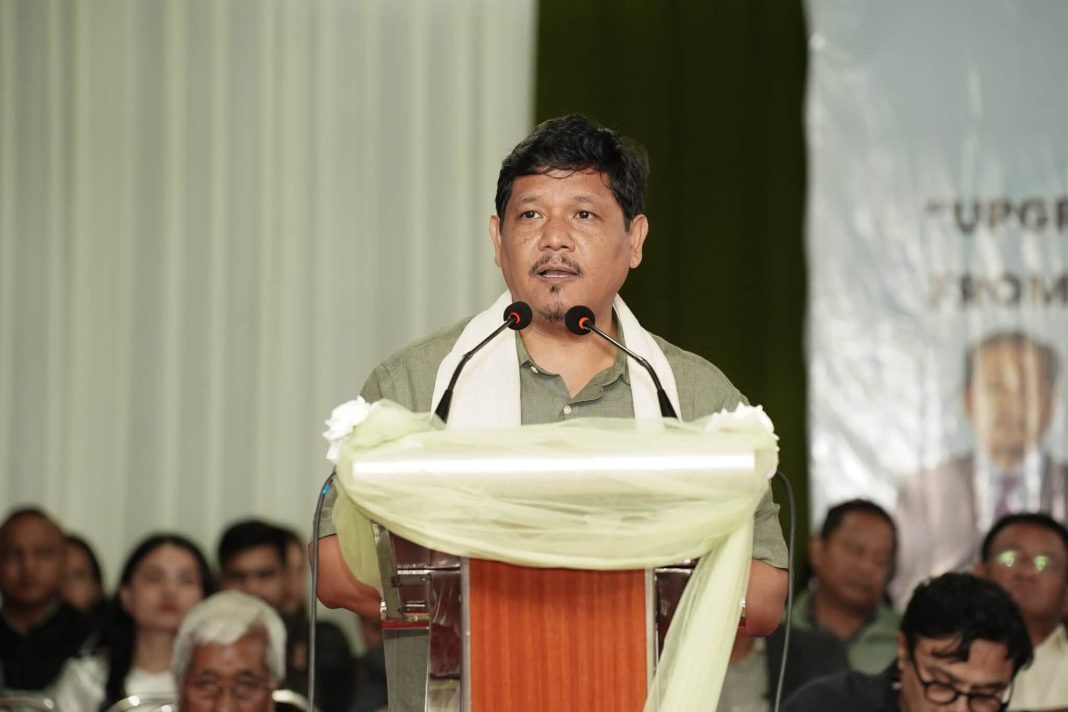
Chief Minister Conrad K. Sangma raised the issue with Union Home Minister Amit Shah in July, telling the Centre that religious, educational, charitable and social-welfare institutions play a major role in running schools, colleges, hospitals and community services, particularly in rural and remote parts of Meghalaya.
In June, Sangma had also called for wider consultations on the proposed legislation amid concerns from stakeholders in Meghalaya, particularly over provisions relating to the seizure of property.
The FCRA dashboard, however, does not provide reasons for individual cancellations or for organisations being classified as “deemed ceased”. The two categories also have different meanings and should not be treated as evidence of wrongdoing.
But the figures show the scale of organisations in Meghalaya that are no longer listed as active under the FCRA framework.
That has particular relevance in a state where churches, charitable organisations and educational and healthcare institutions have long played a major role in delivering public services.
The issue has also drawn criticism from political parties across Meghalaya. The BJP has maintained that the proposed amendments could affect the functioning of non-profit and religious institutions in Meghalaya and the wider Northeast. The opposition Voice of the People Party has also raised concerns over provisions relating to organisational assets.
The Meghalaya Pradesh Congress Committee (MPCC) this month staged a protest in Shillong against the proposed amendments, warning of their possible impact on churches, schools, hospitals and NGOs.
Dedicated FCRA cell
The Chief Minister also announced plans to establish a dedicated FCRA Cell in the Home Department to assist organisations with applications and renewals and improve coordination with the Centre.
The move comes as Parliament examines the proposed amendments. The Lok Sabha referred the FCRA Amendment Bill to a 31-member Joint Parliamentary Committee on August 12 for further scrutiny, following opposition from several political parties and concerns raised by Meghalaya, Mizoram and Nagaland.
The FCRA issue has been a recurring concern for the Meghalaya government. In July, Sangma led a multi-denominational delegation of church and community leaders to meet Shah in New Delhi and raised concerns over Section 16A(5) and other provisions of the proposed Bill.
The delegation included representatives of the Presbyterian Church of India, North East India Christian Council, Catholic Archdiocese of Shillong and Garo Baptist Convention. The NPP has said Shah assured the delegation that extensive stakeholder consultations would be held.
Earlier, in April, Sangma, Deputy Chief Minister Prestone Tynsong and representatives of the Catholic Bishops’ Conference of India met Union Parliamentary Affairs Minister Kiren Rijiju and stressed the role of charitable organisations in remote and tribal areas, according to the NPP.
With the FCRA Bill now before a parliamentary panel, Meghalaya’s concerns are likely to remain focused on how the proposed changes could affect institutions providing education, healthcare, charitable and social-welfare services.