
By Prarthana Hazarika
Imphal, Sept 16: Manipur will have 36 athletes across nine disciplines in India’s contingent for the Aichi-Nagoya Asian Games, a representation that underlines the depth of sporting talent in a state that has long punched above its weight on the national and international stage.
But while the numbers reflect Manipur’s enduring sporting legacy, they also raise questions about the environment in which its athletes are now being developed and prepared for international competition.
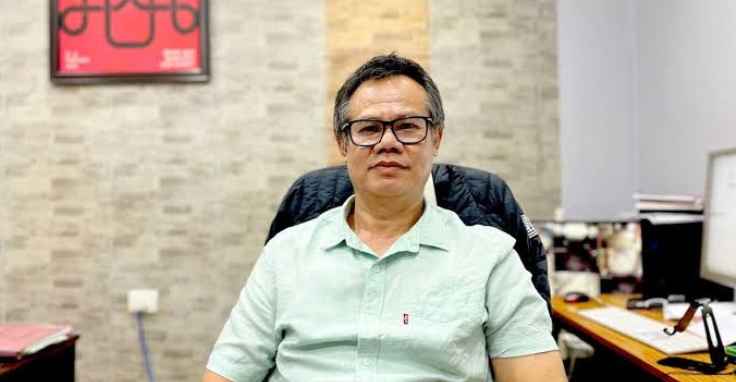
Speaking exclusively to The Meghalayan Express, independent journalist and filmmaker Sunzu Bachaspatimayum, based in Manipur, said the representation was significant given the challenges confronting the state.
“This is very significant, especially when we consider the current situation in the State, with the ongoing ethnic violence and the lack of adequate focus on the development and upgradation of sports infrastructure,” Bachaspatimayum said.
He pointed to concerns repeatedly raised by sportspersons over training facilities that urgently require modernisation to meet contemporary standards.
“This has inevitably affected the overall sporting environment in Manipur, and we have seen performances decline progressively in recent years,” he said.
Bachaspatimayum cautioned that without sustained investment in infrastructure, training facilities and athlete support, Manipur could gradually lose its position as one of India’s major sporting centres.
Yet, he said, the presence of 36 athletes across nine disciplines demonstrates that the state’s talent pool and sporting culture remain strong.
“Despite these challenges, however, the talent and determination of our sportspersons continue to shine through,” he said. “Many of our athletes have managed to overcome extremely difficult circumstances through their own dedication and perseverance and have kept that legacy alive.”
The larger concern, he added, is how long individual determination can compensate for gaps in the sporting system.
“Talent can take an athlete a long way, but sustained international success requires proper nurturing, infrastructure and institutional support,” Bachaspatimayum said.
On medal prospects at Aichi-Nagoya, he identified weightlifting, wushu, women’s football, hockey, sepak takraw and fencing as disciplines where Manipur could make an impact.
“These are disciplines where Manipur has traditionally shown considerable strength, and I believe our athletes have a strong chance of making an impact at Aichi-Nagoya,” he said.
For Manipur, therefore, the Asian Games representation is more than a numerical achievement. It is also a reminder of the sporting foundation the state has built—and the need to ensure that its next generation gets the facilities and structured support required to sustain that legacy.