
By Satyabrat Borah
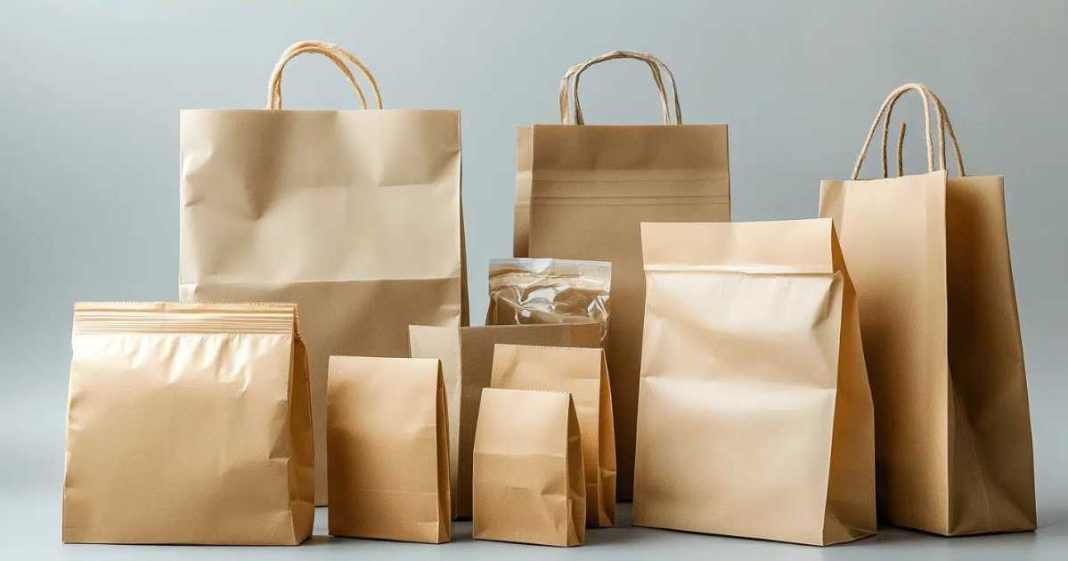
The invention of the humble paper bag is an achievement that transformed the landscape of global commerce and daily life. Every year on the twelfth of July the world pauses to celebrate Paper Bag Day to recognize the profound importance of this everyday item that people frequently take for granted. Before the widespread availability of paper bags transporting small goods and groceries was a significantly more cumbersome task. Shoppers relied on heavy cloth sacks, wooden crates or awkward baskets to carry their purchases home. The introduction of a lightweight disposable and sturdy container fundamentally altered how people shopped and how merchants distributed their goods.
The history of this invention is a fascinating journey of human ingenuity starting in the middle of the nineteenth century. In the year eighteen fifty two a schoolteacher named Francis Wolle invented the first machine capable of mass producing paper bags. This technological breakthrough laid the foundation for an industry that would eventually span the globe. Wolle was a man of diverse interests and a keen analytical mind. He noticed the inefficiency of manual bag making which was slow and produced inconsistent results. By creating a mechanical process to cut and paste sheets of paper into bags he opened the door to affordable packaging for millions of consumers and business owners. His initial designs produced what were known as envelope bags which were flat and lacked a self standing base. While these early bags were useful for holding small items like seeds or candy they were not ideal for larger or heavier items.
The evolution of the paper bag did not stop with Wolle as other inventors sought to improve upon his work. Several decades later an inventor named Margaret Knight revolutionized the industry by designing a machine that could cut, fold and glue flat bottomed paper bags. This square bottom design made the bags much easier to pack and allowed them to stand upright on counters without spilling their contents. Knight fought a fierce legal battle to secure the patent for her invention after a man attempted to steal her design claiming that a woman could not understand such complex machinery. She proved her ownership by presenting her detailed blueprints and wooden models in court, securing her place in history as one of the great inventors of her era. Later improvements added pleats to the sides making the bags expandable and handles were introduced to make them even more convenient to carry. The cumulative efforts of these inventors transformed a simple piece of paper into an indispensable tool for modern society.
On Paper Bag Day it is valuable to reflect on the ecological and social significance of choosing paper over other alternatives. In recent generations the convenience of plastic bags overshadowed the benefits of paper leading to massive environmental challenges. Plastic bags take hundreds of years to decompose and often end up polluting oceans harming marine life and littering landscapes. Paper bags present a much more harmonious relationship with nature because they are biodegradable and recyclable. When a paper bag reaches the end of its usefulness it can be broken down naturally by microorganisms returning to the earth without leaving toxic residues behind.
Most modern paper bags are made from renewable resources like trees grown in sustainably managed forests where new seedlings are planted to replace every tree harvested. Many manufacturers utilize recycled paper pulp to create new bags further reducing the demand for raw timber and conserving water and energy resources. The manufacturing process of paper bags has also become increasingly efficient utilizing advanced technologies to minimize waste and reduce carbon emissions. Choosing to use a paper bag is a small but meaningful action that anyone can take to promote environmental responsibility.
Retailers and consumers alike are rediscovering the unique appeal of paper packaging. Paper bags offer a sense of quality and reliability that plastic often lacks. They are sturdy enough to hold heavy items like glass jars, books and fresh produce without tearing easily. The smooth surface of paper also provides an excellent canvas for printing allowing businesses to display their logos and artwork with high clarity and vibrant colors. This has turned the paper bag into a powerful marketing tool transforming every shopper into a walking billboard for their favorite brands. Walking down a busy city street one can observe an array of beautifully designed paper bags that reflect the identity of different shops and boutiques. The aesthetic versatility of paper makes it a favorite choice for high end luxury brands as well as local farmers markets.
The simplicity of the paper bag also makes it a versatile item for crafting and home use. People frequently reuse paper bags for storage, wrapping packages, school book covers and various art projects. Children can use them to make puppets masks or festive decorations fostering creativity while practicing reuse. In the kitchen paper bags are excellent for ripening fruits like bananas and avocados because they trap the natural gases released by the fruit while allowing moisture to escape. They can also be used to collect compostable kitchen scraps or to store dry goods in the pantry. This multi functional nature ensures that a single paper bag can provide value long after its initial journey from the store.
The global celebration of Paper Bag Day serves as a vital reminder to governments, corporations and individuals about the power of sustainable choices. Many cities and countries around the world have implemented bans or taxes on single use plastic bags encouraging a widespread return to paper and reusable cloth bags. This legislative shift has stimulated innovation within the paper industry leading to the development of water resistant and extra strong paper varieties that can withstand wet weather and heavy loads. Engineers and scientists are continuously working on new plant based adhesives and inks to make paper bags even safer for the environment. The legacy of Francis Wolle and Margaret Knight lives on in these modern innovations as society strives to balance convenience with ecological preservation.
Taking a moment on the twelfth of July to appreciate the history and utility of the paper bag helps cultivate a deeper awareness of the items that shape daily existence. It encourages people to think about the origin of their packaging and the impact it has on the planet. By supporting the use of paper bags and participating in recycling programs individuals contribute to a collective movement toward a cleaner and more sustainable world. The story of the paper bag is a testament to how a simple idea born in the mind of a nineteenth century schoolteacher can grow to influence the entire world for generations to come. It shows that progress is often built on the refinement of basic tools that serve the common good. Celebrating Paper Bag Day is not just about honoring a specific product but also about celebrating human creativity and our responsibility to protect the environment for the future.