
By Satyabrat Borah
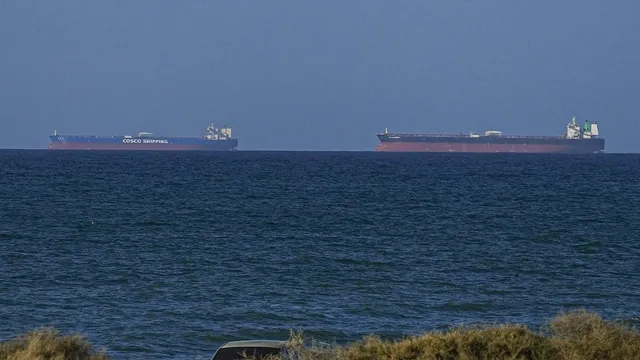
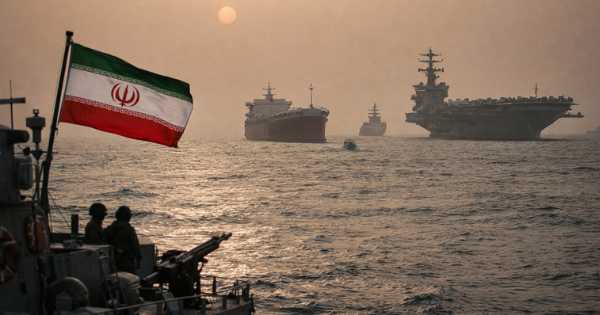
Believing that the fires of the Iran war have been extinguished is a dangerous illusion. We are currently navigating a landscape littered with too many unknowns to claim victory for peace. While recent headlines suggest a cooling of tensions, the reality on the ground and in the water tells a far more complicated story. Iranian authorities recently declared the Strait of Hormuz open to international traffic, a move that should have signaled a return to maritime normalcy. Instead, the world watched as a naval blockade sustained by President Trump remained firmly in place. This contradiction creates a volatile environment where the rules of engagement are being rewritten by the hour.
Wall Street seemed eager to believe in a resolution. US stock markets finished the week in a state of jubilation, soaring on the back of rumors that the long standing friction between Washington and Tehran was finally dissipating. Investors found additional reasons for optimism in the announcement of a ten day ceasefire between Israel and Lebanon. This temporary halt in hostilities was an explicit demand from Iran, likely calculated to provide breathing room for Hezbollah. The militant group had been enduring a relentless pounding from the Israeli Defence Forces, and this pause offers a necessary reprieve for Tehran’s most vital regional proxy.
The longevity of this market euphoria is an open question. Fragile peace deals are often built on foundations of sand, and several imponderables remain that could easily pull the rug out from under the global economy. President Trump has characterized the situation with his signature flair for the dramatic, claiming that Iran has agreed to hand over its entire stockpile of enriched uranium. He even went so far as to promise that this monumental transfer would be accomplished without the boots of American troops touching Iranian soil. This narrative of a clean, painless victory was short lived. Within a few hours of the President’s remarks, officials in Tehran issued a categorical denial, flatly rejecting the idea that such an agreement exists.
This discrepancy highlights the massive gap between the public rhetoric of the White House and the hard stance of the Islamic Republic. For the markets, the risk lies in the disconnect between perception and reality. While traders buy into the hope of free oil and a secure Persian Gulf, the physical blockade continues to choke Iranian exports. The Strait of Hormuz is the world’s most critical energy artery, and any ambiguity regarding who controls its flow sends ripples through every sector of the global economy.
The situation in Lebanon further complicates the puzzle. While the ceasefire is a welcome break for civilians caught in the crossfire, it is also a strategic maneuver. By protecting Hezbollah, Iran ensures its influence on the Mediterranean remains intact. If the negotiations regarding the uranium stockpile continue to stall, the pressure on the northern border of Israel will likely return with renewed intensity. The ten day window is a ticking clock, not a permanent solution.
As we look toward the coming weeks, the primary concern is the reliability of information. When one side claims a total diplomatic surrender and the other denies it entirely, the unknowns mentioned at the start become the defining feature of the conflict. The blockade remains a physical reality that cannot be talked away by soaring stock prices. For now, the world is holding its breath, waiting to see if the rhetoric will eventually match the reality or if this brief moment of optimism is merely the eye of a much larger storm. One thing is certain: the war is not over, and the path ahead is fraught with the same tensions that brought us to the brink in the first place.
The global community remains on edge because the stakes involve more than just regional borders. Energy prices, international shipping routes, and the very concept of nuclear non-proliferation are all being debated in a chaotic, real-time theater of war and diplomacy. If the blockade continues, Iran may feel backed into a corner, potentially leading to a resumption of hostilities that would wipe out any gains the stock market made over the weekend. Peace requires more than just a pause in firing; it requires a level of trust that currently seems non-existent.
The disconnect between the White House and Tehran is not just about uranium. It is about a fundamental disagreement on the future of the Middle East. President Trump sees a total capitulation as the only path forward, while Iranian leaders see any concession as a threat to their survival. This ideological divide means that any temporary ceasefire is just that: temporary. Without a genuine breakthrough that addresses the underlying grievances of both sides, we are likely to see a return to the cycle of threats and strikes.
History shows that conflicts in this region rarely end with a single announcement. They fade and flare, shaped by the needs of local actors and the ambitions of global powers. The current moment of relative calm is a fragile window of opportunity, but it is also a period of intense risk. If either side miscalculates or if a single incident occurs in the Strait of Hormuz, the entire structure of this tentative peace could collapse.
For the average person, the headlines offer a confusing mix of triumph and denial. One day we are told the war is ending, and the next we hear that the most critical waterway in the world is still being blocked by warships. This inconsistency is what keeps the tension high and prevents a true sense of security from returning to the international stage. We must look past the immediate excitement of a green day on the stock market and focus on the hard, unresolved facts of the blockade and the nuclear standoff.
The resolution of this conflict depends on whether the parties can find a way to move from “victory” rhetoric to actual, verifiable agreements. Until then, the naval blockade and the conflicting statements from Washington and Tehran serve as a reminder that we are still in the thick of a very dangerous game. The war is not over; it has simply changed shape for the moment. We must remain vigilant and skeptical of any claims that suggest an easy or quick conclusion to such a deep-seated and complex struggle. The world deserves a lasting peace, but that will take far more than ten days of silence in Lebanon and a series of contradictory social media posts. It will take a level of sustained, honest diplomacy that has yet to emerge from the shadows of this conflict.