
By Prarthana Hazarika
Despite a historic podium finish, India’s Thomas Cup campaign has sparked a larger conversation on recognition, visibility, and the imbalance in the country’s sporting narrative.
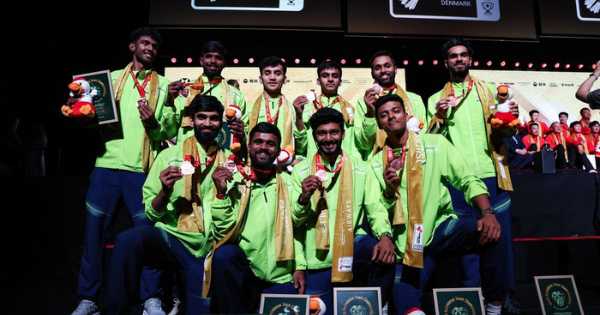
India’s bronze-medal finish at the Thomas Cup should have been a moment of national celebration. Instead, it has left senior shuttler H. S. Prannoy and his teammates questioning the lack of attention that followed.
“It’s tough for players to keep doing this again and again if it doesn’t really get noticed,” Prannoy said after the tournament, capturing a sentiment that runs deep within Indian badminton.
This is only India’s second medal at the Thomas Cup, following the historic gold in 2022. Often described as badminton’s World Cup, the tournament demands sustained excellence across singles and doubles ties, testing both skill and endurance over a week of high-pressure competition.
Yet, the team’s return was met with a subdued response, far removed from the scale of the achievement. Within the camp, there is a growing feeling that such performances deserve far greater acknowledgment.
Prannoy believes awareness remains a key issue. “A lot of people still don’t understand how big this tournament is,” he said, pointing to the disconnect between the sport’s global stature and its domestic visibility.
Former players have echoed his concerns, calling for a more proactive approach from both institutions and the media.
Former National Champion Deepak Amarnath stressed that recognition should not rest on athletes alone. Publicity, he said, is vital for inspiring the next generation and showing that a viable career in sport exists beyond cricket.
Former International Shuttler Krishna Hazarika Rao underlined the media’s role in shaping public sentiment. Greater prominence to positive sporting achievements, she noted, can create both pride and motivation among fans and aspiring athletes.
Others pointed to timing. Former National Shuttler Asawari Parmar observed that the Indian Premier League overshadowed badminton’s moment, pushing it to the margins of mainstream coverage. “We are not a sporting nation, we are a cricket nation,” she said.
Former International Shuttler Ajit Wajetilekk emphasised the importance of visibility. “Young players need to read about their heroes. That is what motivates them to take up the sport seriously,” he said.
India’s campaign ended in the semifinals, but the bronze reflects a disciplined and determined team effort built on resilience and consistency.
The larger takeaway is difficult to ignore, achievements of this scale deserve more than fleeting attention—they deserve to be seen, celebrated, and remembered.
Pic credit SAI Media