
ROOPAK GOSWAMI
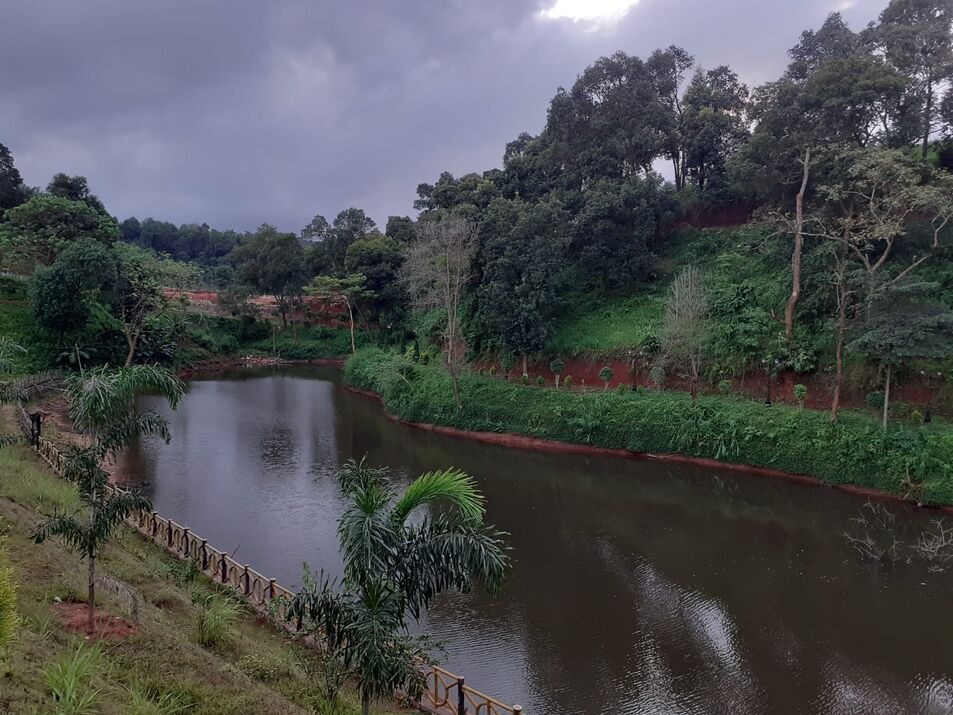
Shillong, June 18: A water body inside the University of Science and Technology Meghalaya (USTM) campus in Ri-Bhoi district supports a surprisingly rich community of microscopic algae, with researchers documenting 32 genera of phytoplankton and finding signs of a stable and moderately productive aquatic ecosystem.
The study, conducted by researchers from USTM and collaborators, recorded phytoplankton belonging to three major algal groups—Chlorophyta (green algae), Bacillariophyta (diatoms) and Cyanophyta (blue-green algae)—over a year-long survey between December 2023 and November 2024.
Green algae emerged as the clear dominant group, accounting for 20 of the 32 genera recorded and nearly two-thirds of the total phytoplankton abundance in the pond. Researchers found that species such as Scenedesmus, Spirogyra, Pediastrum and Cosmarium were particularly abundant.
One of the study’s key findings was the strong seasonal pattern in phytoplankton growth. The highest abundance was recorded during winter, when phytoplankton density reached 1,879 units per litre—almost double the level observed during the post-monsoon season.
Researchers attribute the winter surge to improved water clarity, better light penetration and favourable environmental conditions.
The study also found that the pond’s ecological condition appears balanced. While blue-green algae, often associated with nutrient enrichment and harmful algal blooms, were present, their abundance remained moderate, suggesting the waterbody is not experiencing severe eutrophication.
According to the researchers, the dominance of green algae and the moderate diversity indices indicate that the pond is likely in a mesotrophic state—neither nutrient-poor nor excessively nutrient-rich—a condition generally considered favourable for freshwater biodiversity.
The authors note that phytoplankton serve as the foundation of aquatic food webs and are widely used as indicators of water quality. Their findings therefore provide an important baseline for understanding the ecology of small freshwater bodies in Meghalaya, many of which remain poorly studied despite their biodiversity value.
The study was authored by Dhurjati Pathak, Prabal Sarkar, Anindita Bhattacharya and Golphina Ahmed and published in the Indian Journal of Applied & Pure Biology.
Researchers say the findings highlight the ecological significance of even small campus ponds, which can act as reservoirs of biodiversity and natural laboratories for monitoring environmental change in Northeast India.